The Upper Spine & Neck: The Hidden Impact of Modern Living
 By Georgia Jones · 11 July 2025
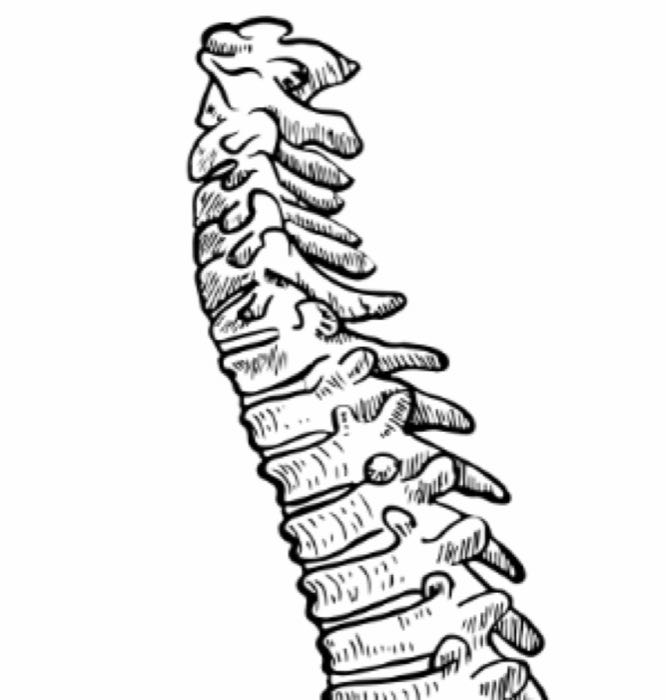
Function: Head movement (flexion, extension, rotation, lateral flexion)
Common Issues: Forward head posture, tight upper traps, tension headaches
Key Movements: Chin tucks (retraction) Neck circles and side bends, Head tilts with breath, Look side to side slowly (active rotation)
In clinic, one of the most common — yet misunderstood — areas of discomfort I see is the upper neck and thoracic spine. While many clients come in for shoulder pain or tension headaches, it often stems from one underlying problem:
👉 Modern Posture.
Whether it's from scrolling your phone, sitting at a desk, driving, or even how you unwind in the evening — these small, repeated habits are leading to chronic upper spinal dysfunction. And most people don’t realise just how much it affects their body.
📱 Why Posture Is Getting Worse
We’re living in the era of text neck and digital slouching. Combine that with long working hours, static positions, and sedentary evenings, and we’re facing a real issue:
🔹 Forward head posture (where the head sits in front of the shoulders)
🔹 Rounded shoulders
🔹 A tightened chest
🔹 And an overstretched, weakened upper back
This kyphotic posture (excessive rounding of the upper spine) is becoming the norm — not just for adults, but increasingly in younger clients too.
🔄 How It Impacts the Entire Body
The body moves in a chain — and if the thoracic spine and upper neck are stuck, everything around them starts to compensate.
💥 Shoulder pain
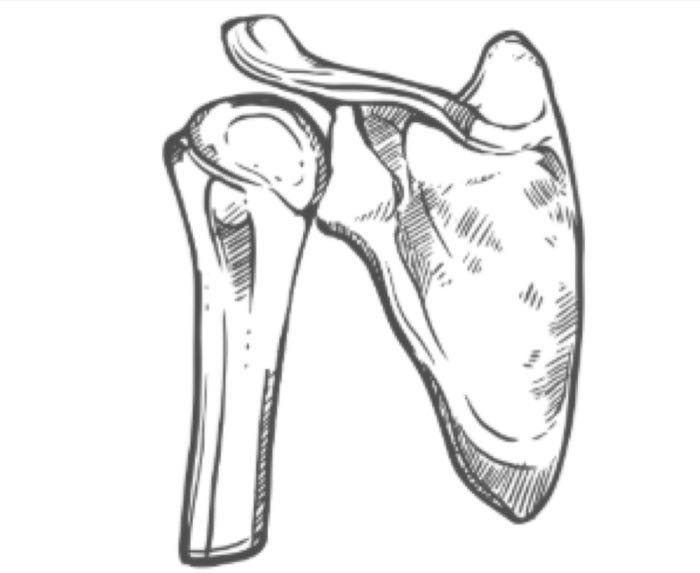
Restricted thoracic mobility reduces shoulder range of motion, leading to rotator cuff issues, impingement, and discomfort during overhead movements.
💥 Tension headaches
Tight neck muscles (especially suboccipitals and upper traps) can compress nerves and create referral patterns that lead to head pain.
💥 Chest tightness
Leaning forward in daily life causes the pectoral muscles to shorten, pulling the shoulders further forward and deepening postural imbalances.
💥 Lower back compensation
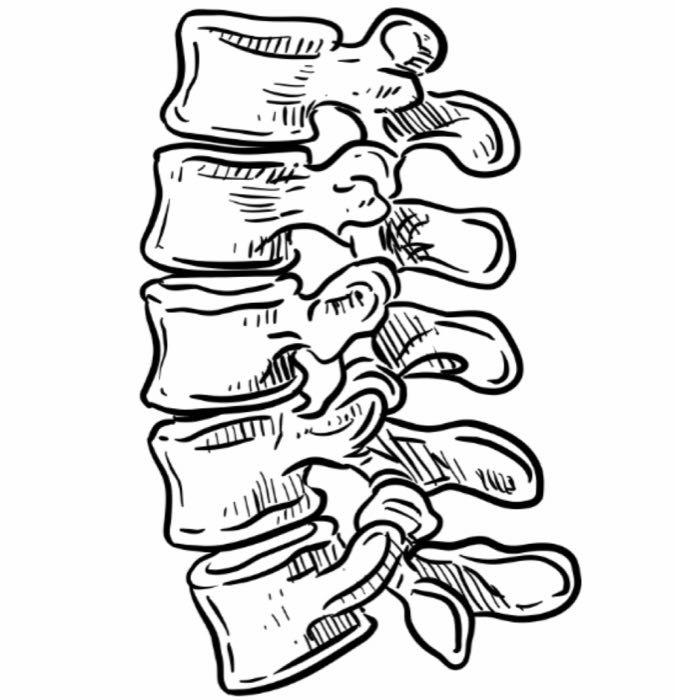
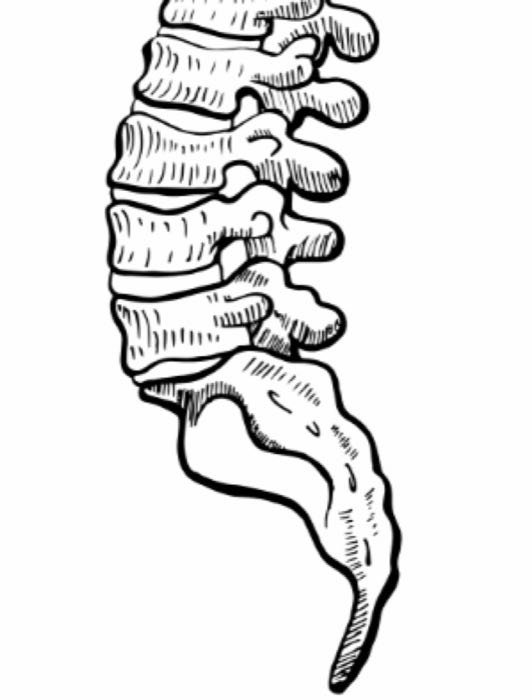
If the thoracic region isn’t mobile, the lumbar spine often overcompensates, creating risk for strain and dysfunction lower down the chain.
🪑 Everyday Habits That Contribute
Here are the subtle but powerful posture habits I see often — and how they quietly reshape your upper spine:
- Sitting on the sofa with no support, slouching into one hip or armrest
- Driving with one arm resting higher than the other on the window or wheel
- Carrying a one-strapped bag over the same shoulder daily
- Prolonged phone use with head dropped forward
- Previous shoulder or neck injuries that were never fully rehabilitated
- Wearing tight clothing or restrictive workwear that limits spinal movement
These everyday patterns build postural memory — the body starts to adapt to them, even at rest.
💡 What I See in Clients
Across years of practice, these patterns are consistently showing up:
✔️ Tight suboccipitals and upper traps
✔️ Stiff thoracic spine with reduced extension
✔️ Overworked neck extensors trying to hold the head up
✔️ Shortened chest muscles from leaning forward all day
✔️ Compensatory lumbar issues due to poor upper posture
✔️ Old injuries reappearing due to lack of mobility and awareness
✅ Final Thought: Your Neck Needs Movement Too
Your upper spine and neck weren’t designed for stillness — they’re meant to rotate, extend, and support functional movement.
If you’ve been living with tension, recurring headaches, shoulder pain, or just feel stiff — your posture is likely playing a major role.
The good news? With the right mobility work, treatment, and awareness — it can change.
📅 Want a posture check or upper body MOT?
Let’s assess your habits, your movement, and get your spine feeling free again.
Book a session with One Body — your body will thank you for it.
This article is general guidance and not a substitute for a personal assessment. If you're in pain or unsure, book in or get in touch for a free phone consultation.
BSc Sports Therapist and founder of One Body in Langenhoe, Colchester. Georgia treats the root cause — not just the symptom — with hands-on therapy and personalised rehab.